His Pizza Is Incredible. So What's Wrong?
His dough is cold-fermented up to ten days and the pizza is one of the best in the area — so why is he struggling? A shop visit on what's really wrong: delivery apps, owning your customers, and partner-vs-investor money.
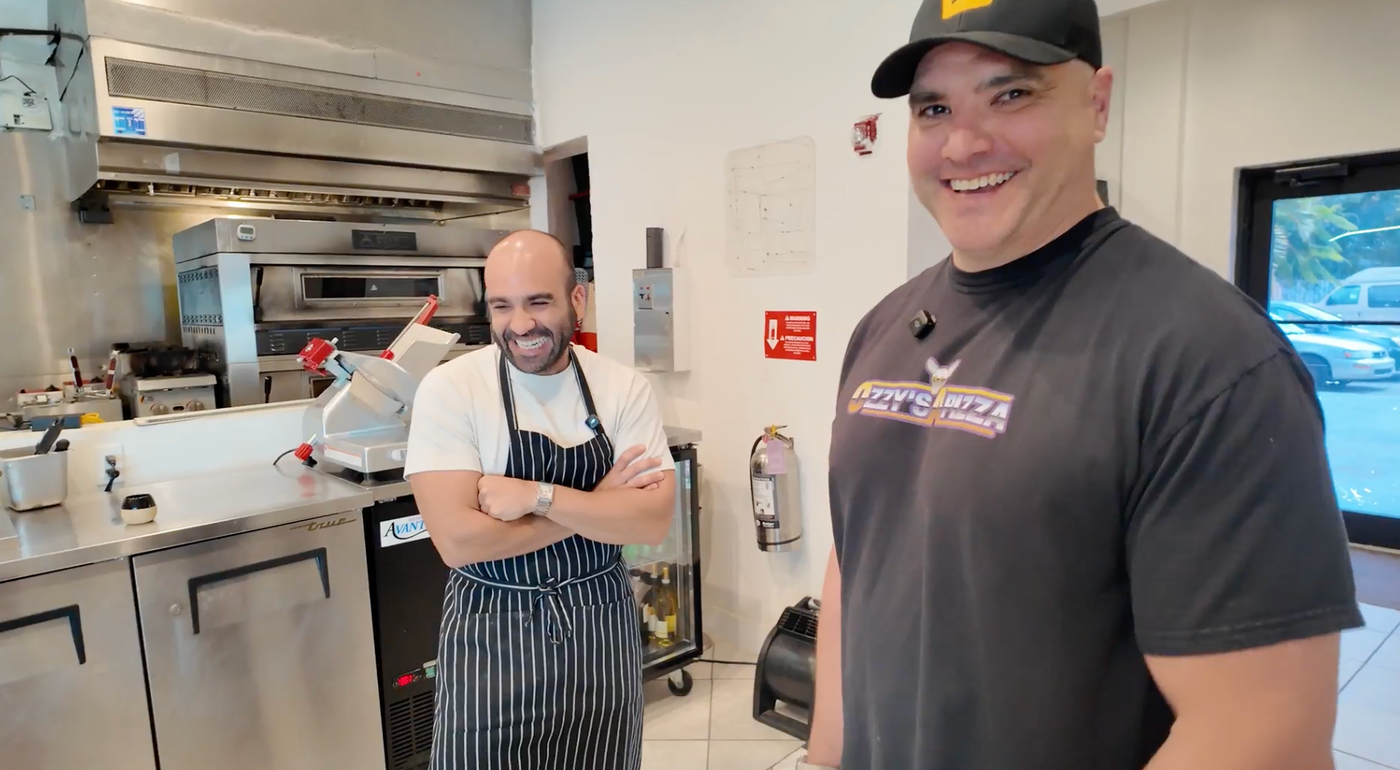
On this shop visit I sat down with a maker whose craft is genuinely next-level — dough cold-fermented anywhere from 72 hours to ten days, everything made in house, baked at 900 degrees. The pizza is excellent. And he's still struggling. Here's the real problem — and it's not the food.
He's spent four or five years on R&D pushing his cold ferment to seven, eight, even ten days — something almost nobody is doing. The dough tastes clean, the sauce is simple (good tomato, garlic, basil, let it do its thing), and it's one of the best pizzas in his area. When I tasted it, I told him straight: this is a great pizza.
So what's actually wrong?
Great pizza is where you start, not where you finish. His problem is everything around the pizza — getting people in the door, staying open consistently, and not bleeding money to third-party apps. He learned the delivery trap the hard way: back in 2014, at the height of his to-go operation, he was doing $55K a month in delivery-only and losing $10–12 on every order. The apps still take around 40%, plus marketing-activation fees and forced promos. That math doesn't work.
Own the customer, not just the order
The fix starts with owning your customer data. A few moves we walked through:
- Put a QR code — and a real reason to scan — on or inside every delivery box, and redirect those DoorDash and UberEats customers to your own website and ordering, where you collect their email and phone.
- Use text and SMS — the one channel where you can say “I'm here 5 to 9 tonight, $2 off” and actually get orders the same day. A thousand texts might bring 30 orders tonight.
- Get good at organic Instagram content before you spend on ads. Good content gets shown; you don't need to buy reach if the content is good.
- Treat influencers as a two-way street — tell them exactly what you want them to say and do, don't just hand out free pizza.
Money: partner, not investor
He was leaning toward raising from an investor. My take: a passive investor who gives you $50K for 20% gets you a headache — like a landlord who owns your business. Instead, partner with someone who has no money but has hustle and time. Pay them a small base plus performance, and the more the business makes, the more they make. That's how you get someone committed to the vision.
The honest part
This is a hard business. Restaurants have a lifespan, just like people — 10 or 15 years is normal, 30 or 40 is an anomaly. He's a sharp guy with an economics degree and an MBA, but running a successful shop is more than making great pizza. It's people, time management, and marketing. The craft is handled. The rest is the work.
Get one shop story a week.
A real pizzeria's numbers and the figure that surprised us most — straight to your inbox.
Subscribe free