Inside Mike & Patty's: From a 200 Sq Ft Sandwich Shop to 7 Locations
Seven locations, 600 sandwiches a weekend day at the original, and a bakery that only works because it's also a shop. What a pizza owner can learn from a Boston breakfast sandwich spot.
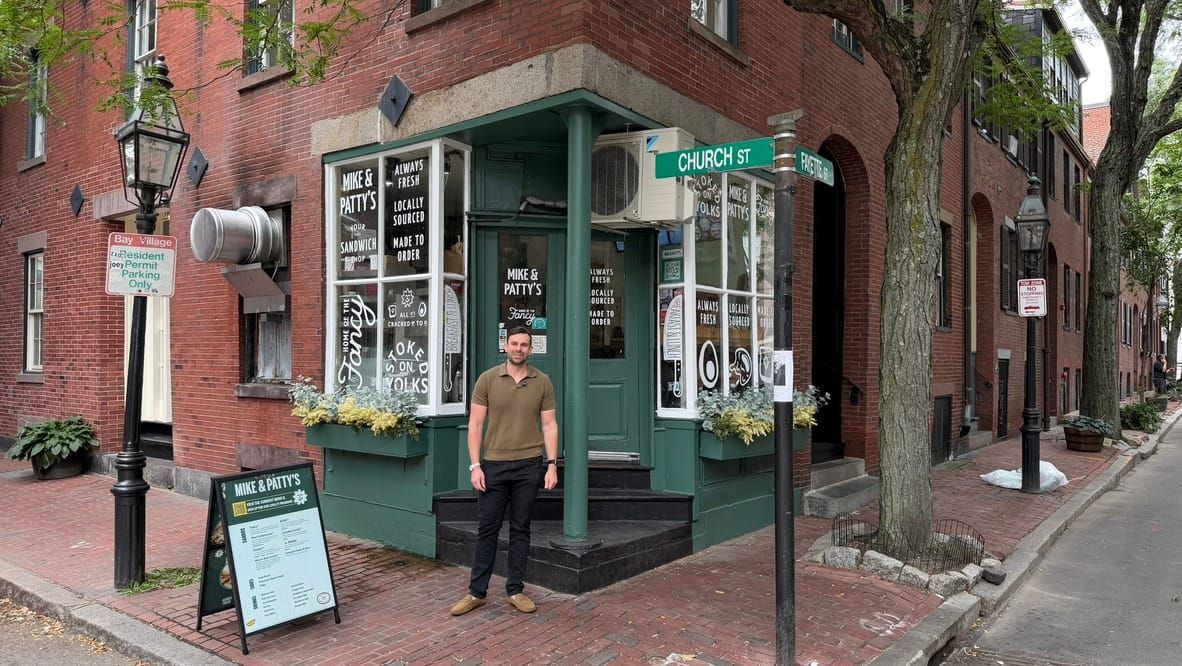
Mike & Patty's started in a 200 square foot sandwich shop in Boston's Bay Village. The building used to be the Kit Kat Club, a speakeasy. Today they have seven locations, including a new one at the airport, and they're working on an eighth.
This isn't a pizza shop. I went anyway, because a lot of what they figured out about growing a food business carries straight over to pizza.
The numbers
- 7 locations, with an eighth in the works
- 200 sq ft: the size of the original shop
- 500 to 700 sandwiches on a Saturday, and again on Sunday, at the original
- 2012: when Mike and his partner bought the business from the original owner
- 2018: when they opened their second location
- 3,000 sq ft: the bakery they bought in 2020 to make their own bread
Two sandwiches carry the menu
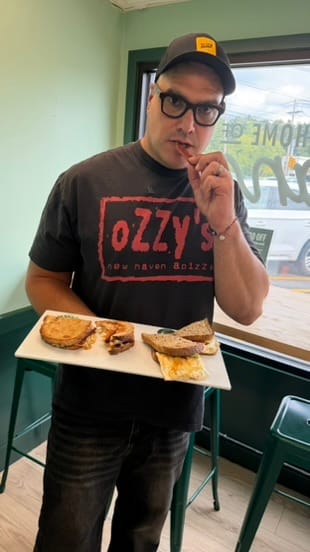
For their first five or six years, one sandwich, the Fancy, was the best seller by a mile. About five years ago a second signature caught up, and now the two sell about the same. Everything on the menu sells, but those two are the business.
The line is built around speed. About 90% of their eggs are just fried eggs. Everything else is toasted bread or an English muffin, assembled on a cold line. The hot side stays simple.
One location is a test kitchen
Their newest suburban shop, just off 128, is the only one with an espresso machine. That's on purpose. Mike is using it to test things before deciding what every location should have. His question: if we had 100 locations, what would we want in all of them?
That's a good way to think about a second pizza shop too. Use it to try things before you roll them out everywhere.
The bakery only works because it's also a shop
In 2020 they bought a bakery, a building that's been a bakery since at least the 1930s. It makes all their bread and English muffins, including a gluten-free bread, and they source local grains.
Mike's advice if you're thinking about a commissary: make sure you can also sell to customers out of it. He said that's what saved them. If they couldn't sell sandwiches out of the bakery, it would just be losing money.
What a pizza owner can steal
- Let two items carry you. A long menu is fine, but know which items actually pay the bills and build the line around them.
- Test new stuff in one location. Don't roll a change out everywhere until you've run it somewhere first.
- Don't build a commissary that only costs money. If you make your own dough or bread, find a way for that space to sell something too.
13 years of mistakes
Mike was open about it. He says he's made million-dollar mistakes. His take: if he started over today, he thinks he could get where they are in two or three years instead of thirteen. That's why he's started consulting other owners, so they don't have to make the same ones.
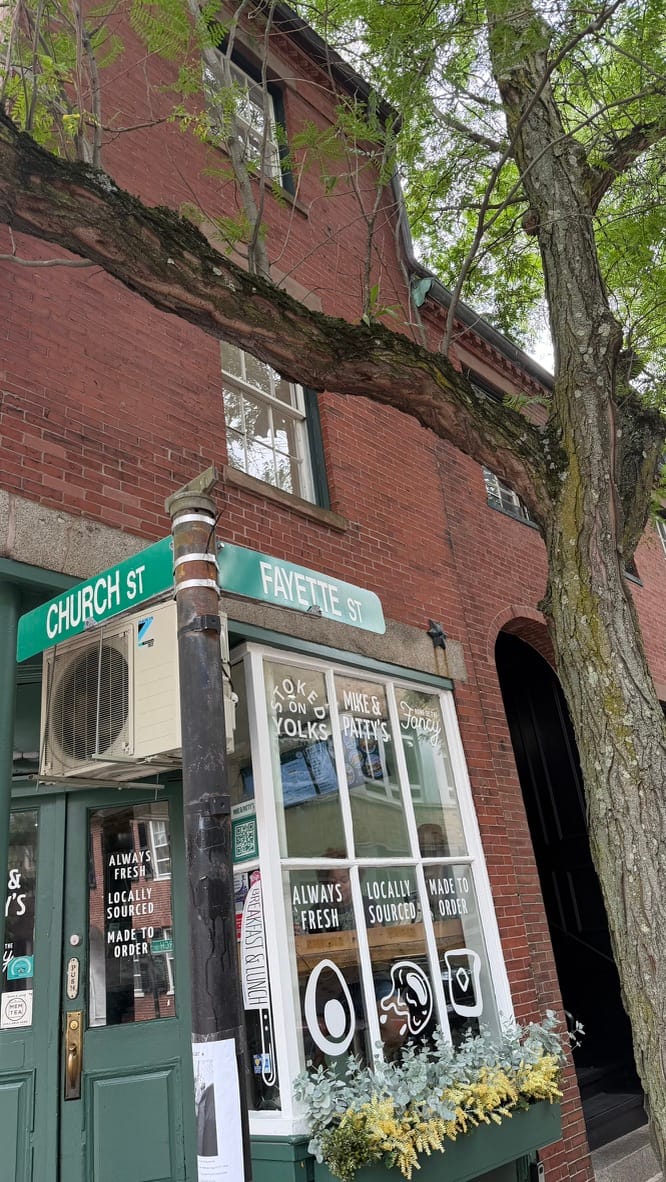
Mike & Patty's original shop is at 12 Church St in Boston. It's on the Shop Map with every other place I've visited on camera.
If you want to talk through this stuff with other owners, that's what SPM PRO is for.
Get one of these every Tuesday.
A real shop, the real numbers, and one thing worth trying. Free.